Of Mud and Memory

At what point does the systematic codification of a craft tradition begin to function as a replacement for its material reality?

6 Months
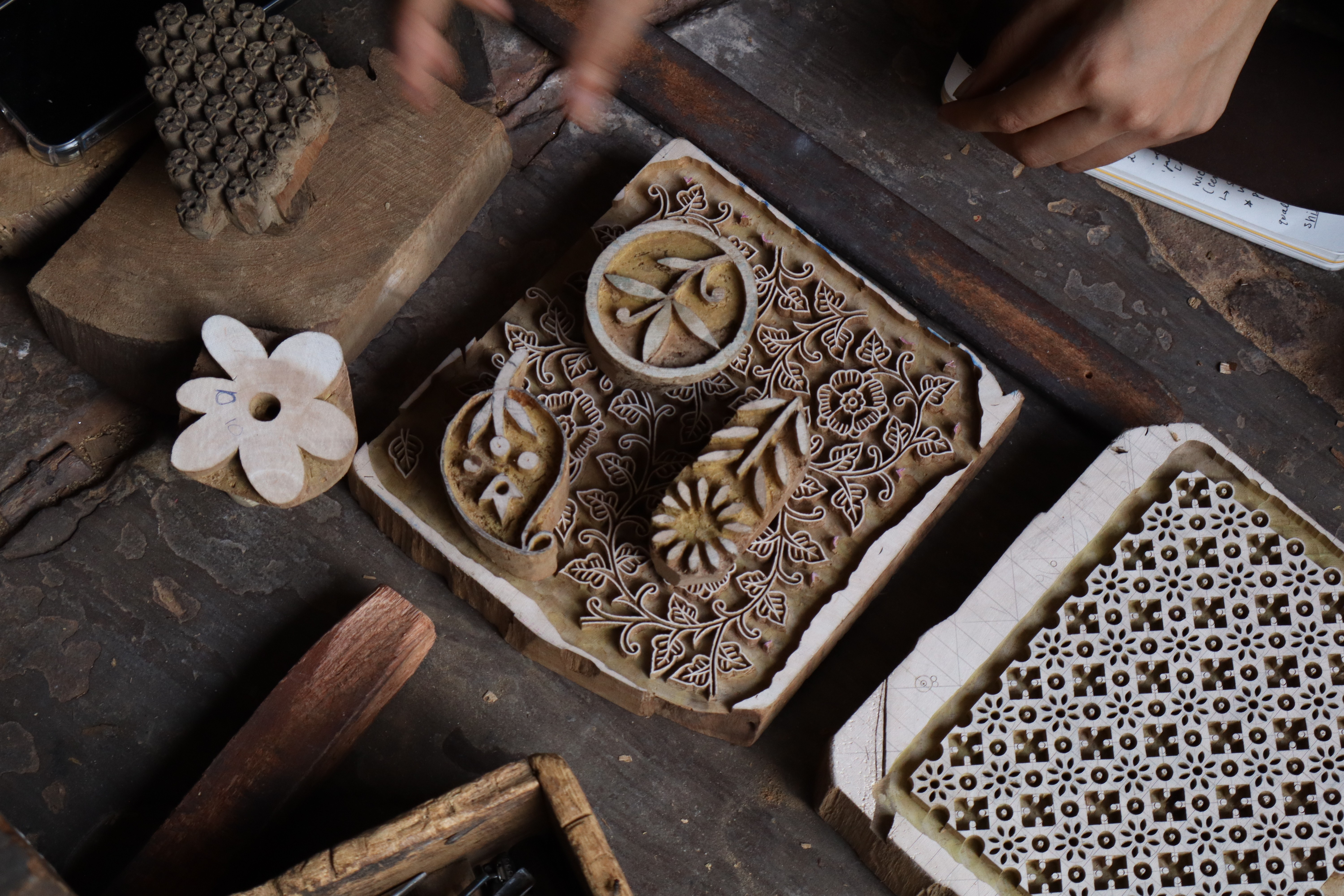
Process

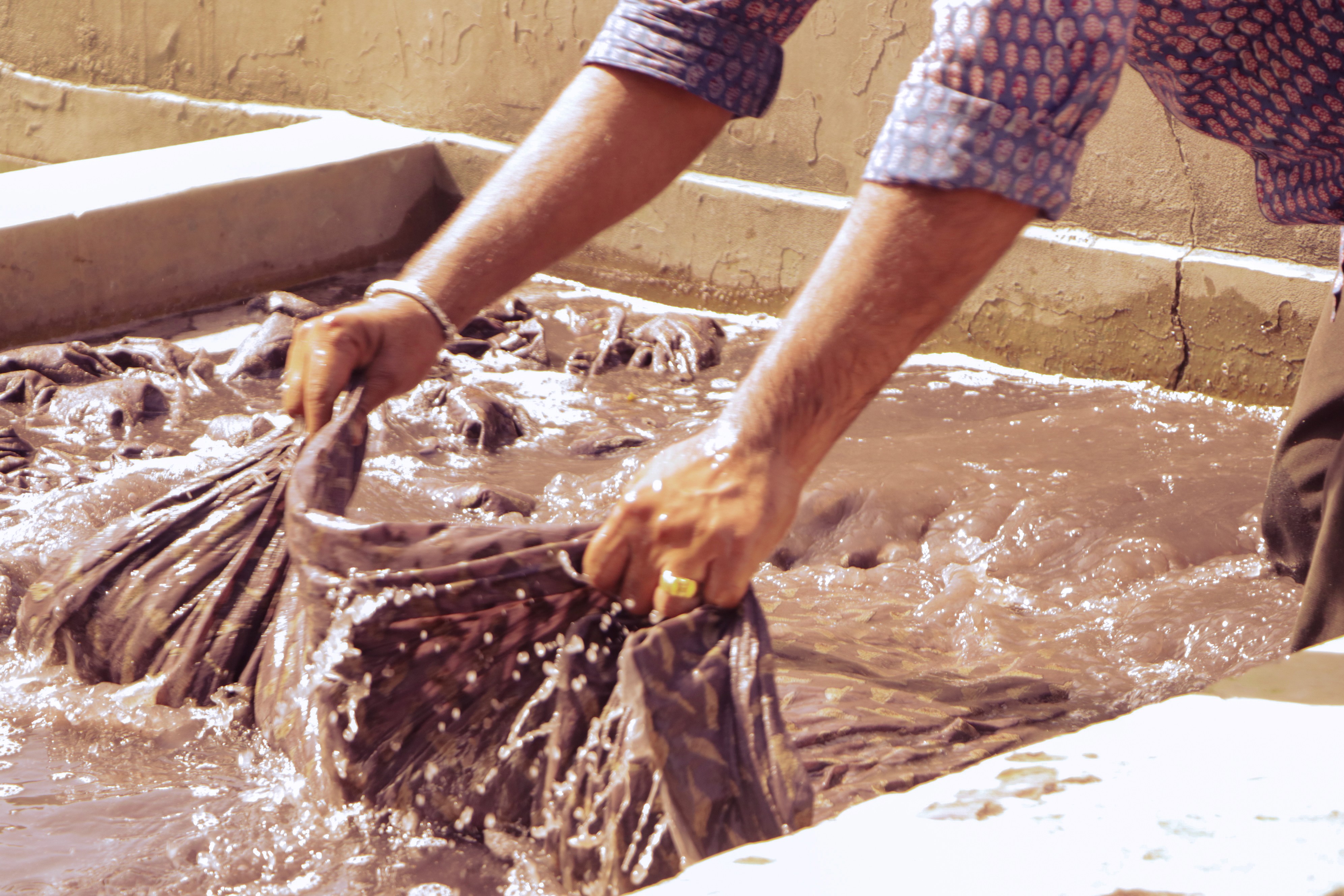
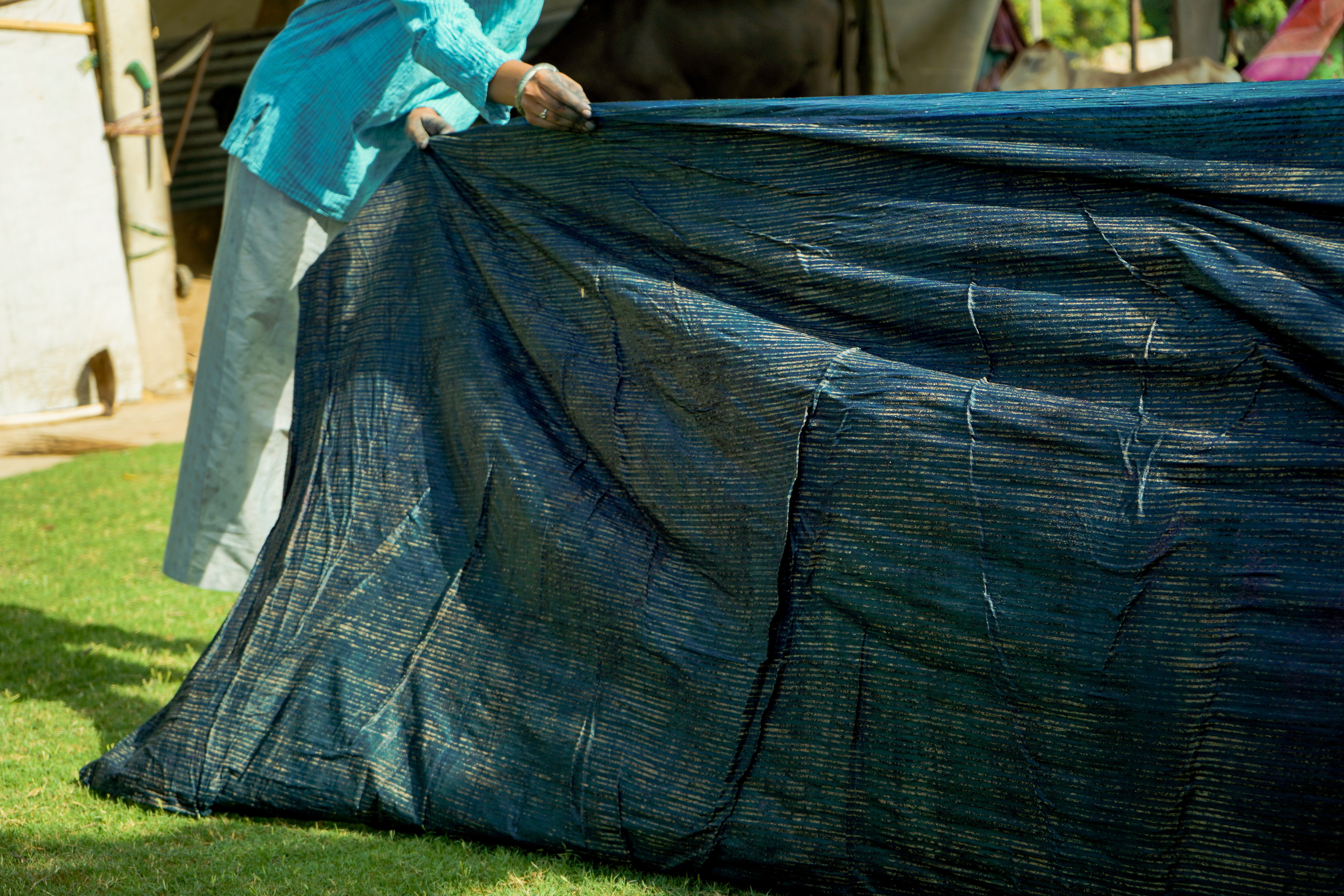
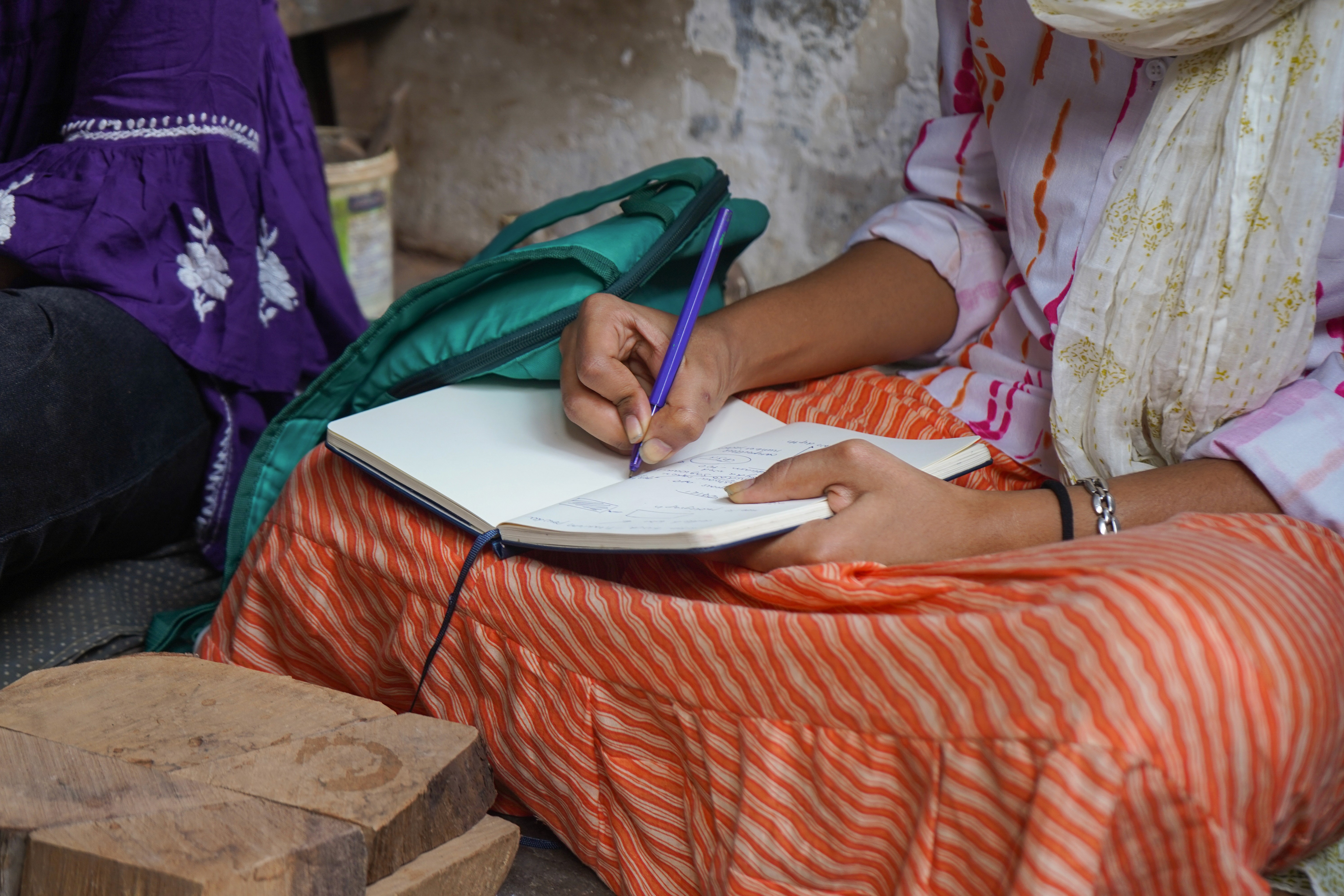
The fieldwork was conducted as a study of "cultural silences". I mapped the village as a responsive system, documenting the drying fields and the chemistry of the Dabu mud. By recording the physical constraints that dictate the pace of Bagru, I aimed to capture the "grit" before it is sanitized by digital reproduction.
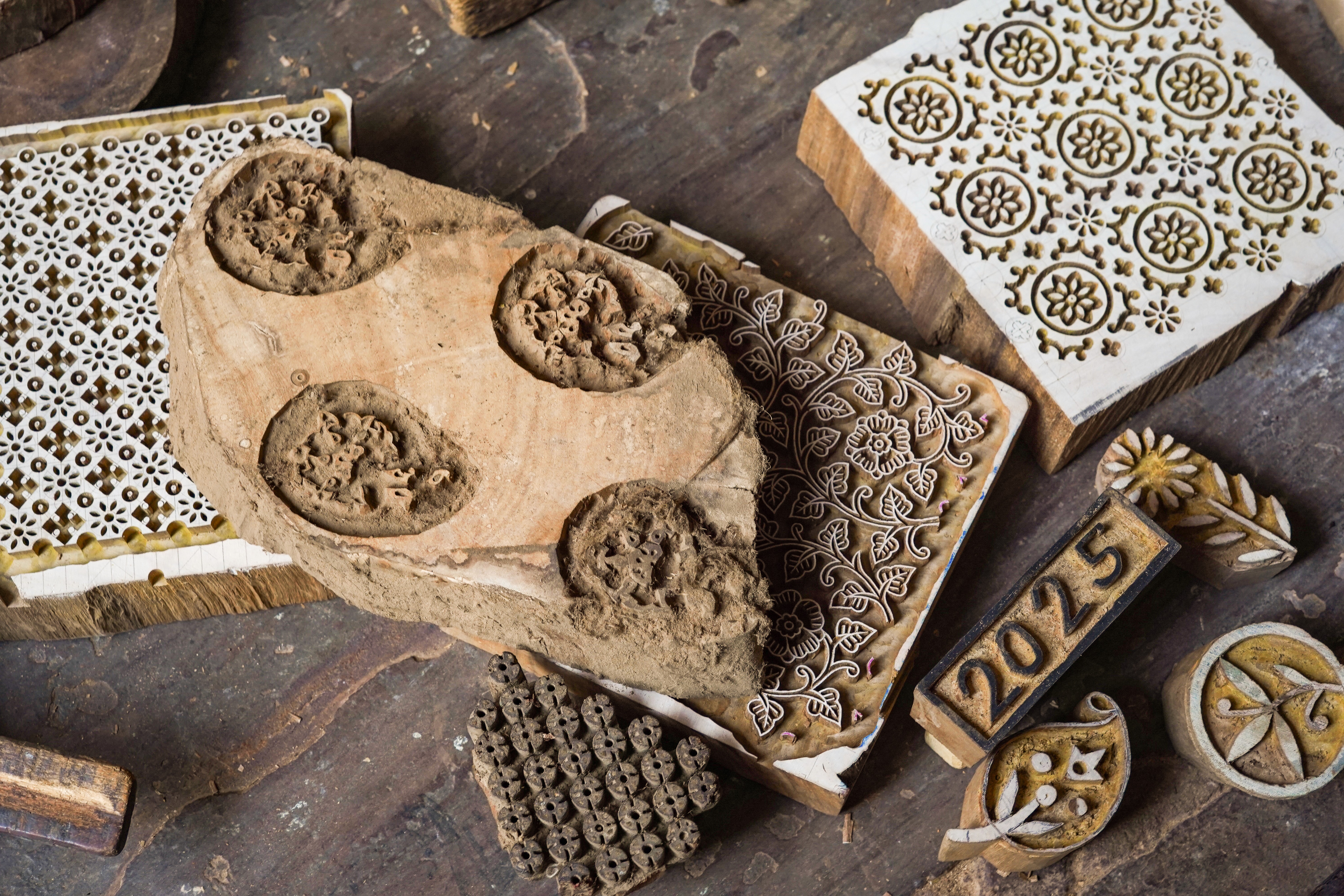
This research investigates Bagru handblock printing through the lens of material culture and the "Ship of Theseus" paradox. It examines the contemporary transition of a landscape, one where the original "planks" of the craft (natural river-water processing, artisanal intuition, and sun-cycles) are incrementally substituted for industrial proxies. The project critiques modernization not as a linear progression, but as a series of material and epistemic shifts that redefine what is "authentic."
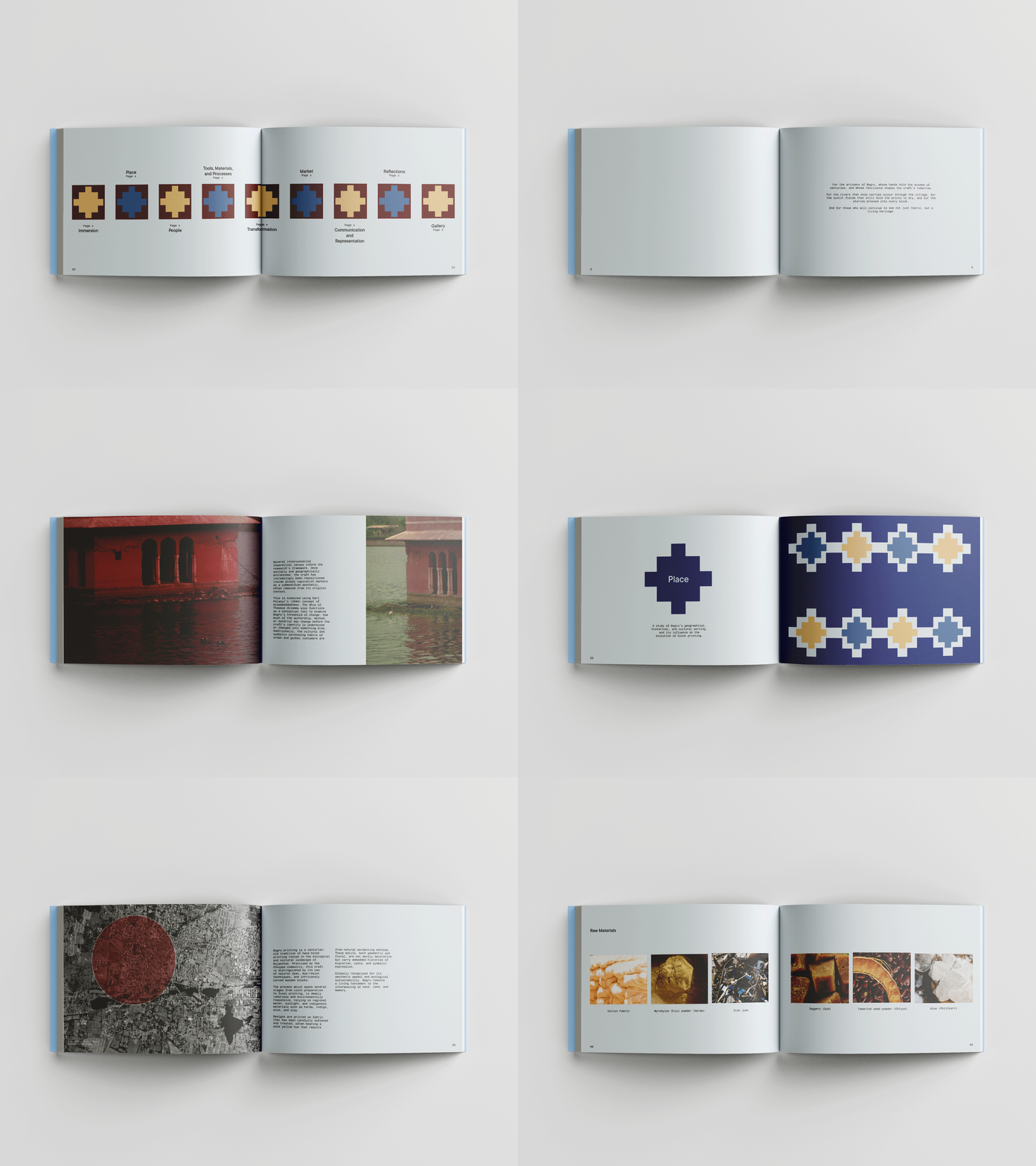
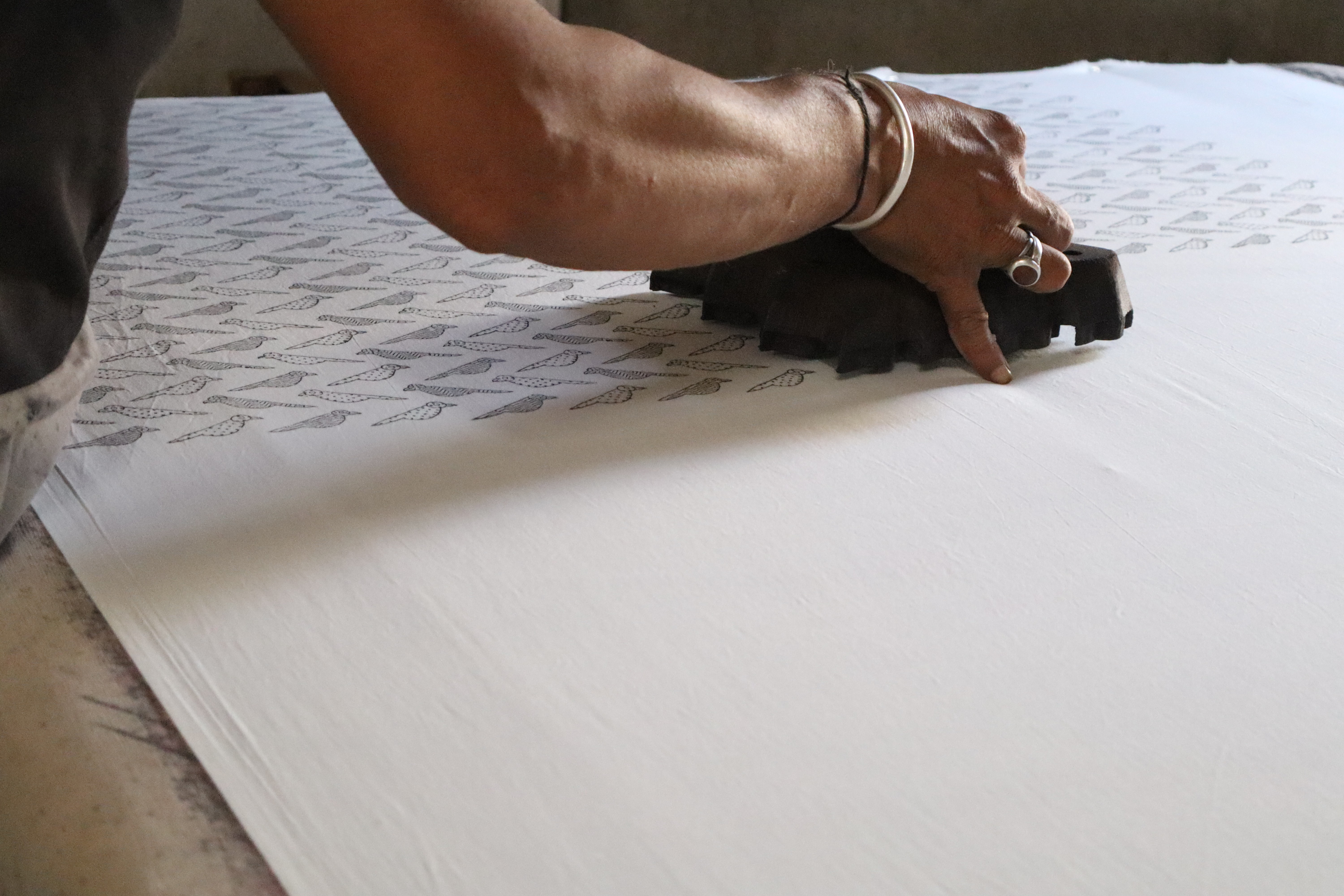
A 136-page audit that serves as a record of transition. Rather than a static manual, it functions as a strategic roadmap that highlights the friction between traditional agency and global market demands. It documents the motifs not merely as patterns, but as a visual language undergoing a forced translation into the digital vernacular.

Outcome
Reflections

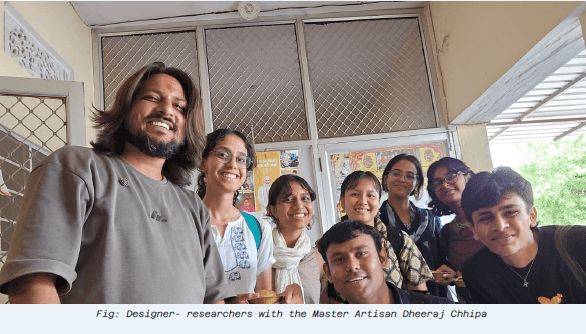
Borrowing from Gayatri Chakravorty Spivak’s critique of representation, this project acknowledges that the subaltern voice is often obscured by the very act of being documented. In trying to "set" the craft into an academic container, one risks petrifying a living tradition into a museum object. Direct engagement with Bagru’s artisans revealed the intricate balance between skill, patience, and lived tradition that sustains the craft.

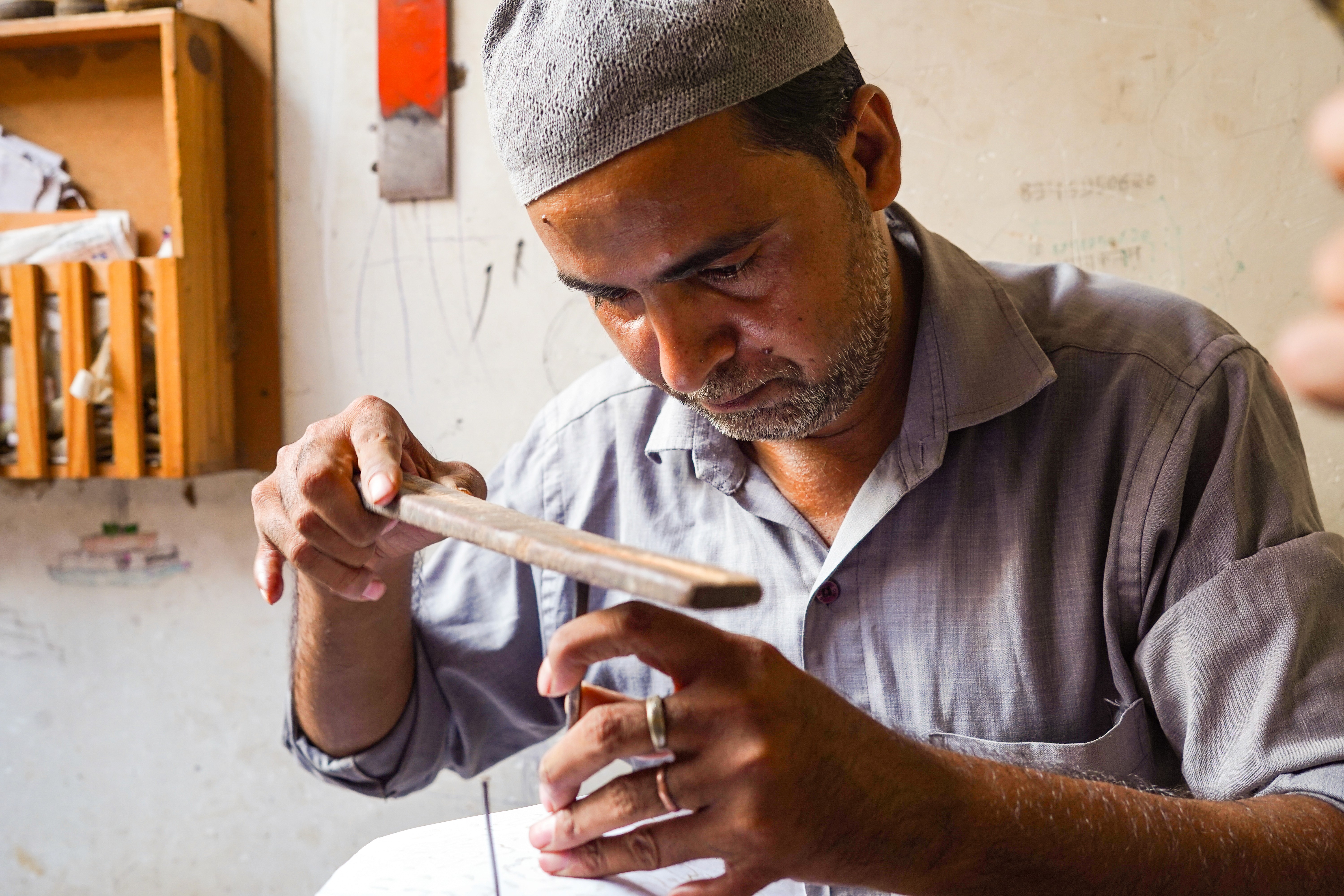
Observing the rhythms of work, from preparing dyes under the open sun, to the precision of block placement, highlighted the tacit knowledge, that cannot be captured in manuals or replicated by machines. Conversations extended beyond technique, offering windows into generational pride, economic pressures, and adaptive strategies for survival in changing markets. These encounters underscored that the craft is not only a product but a lived practice deeply embedded in community identity and ecological context.

True documentation, therefore, must be an exercise in restraint, as an admission that the most vital parts of a craft are those that the researcher’s pen cannot touch.