The Shape of Learning

How do we disrupt the "expected answer" of traditional STEM kits to accommodate the multisensory needs of dyslexic learners?

2 Months
Process

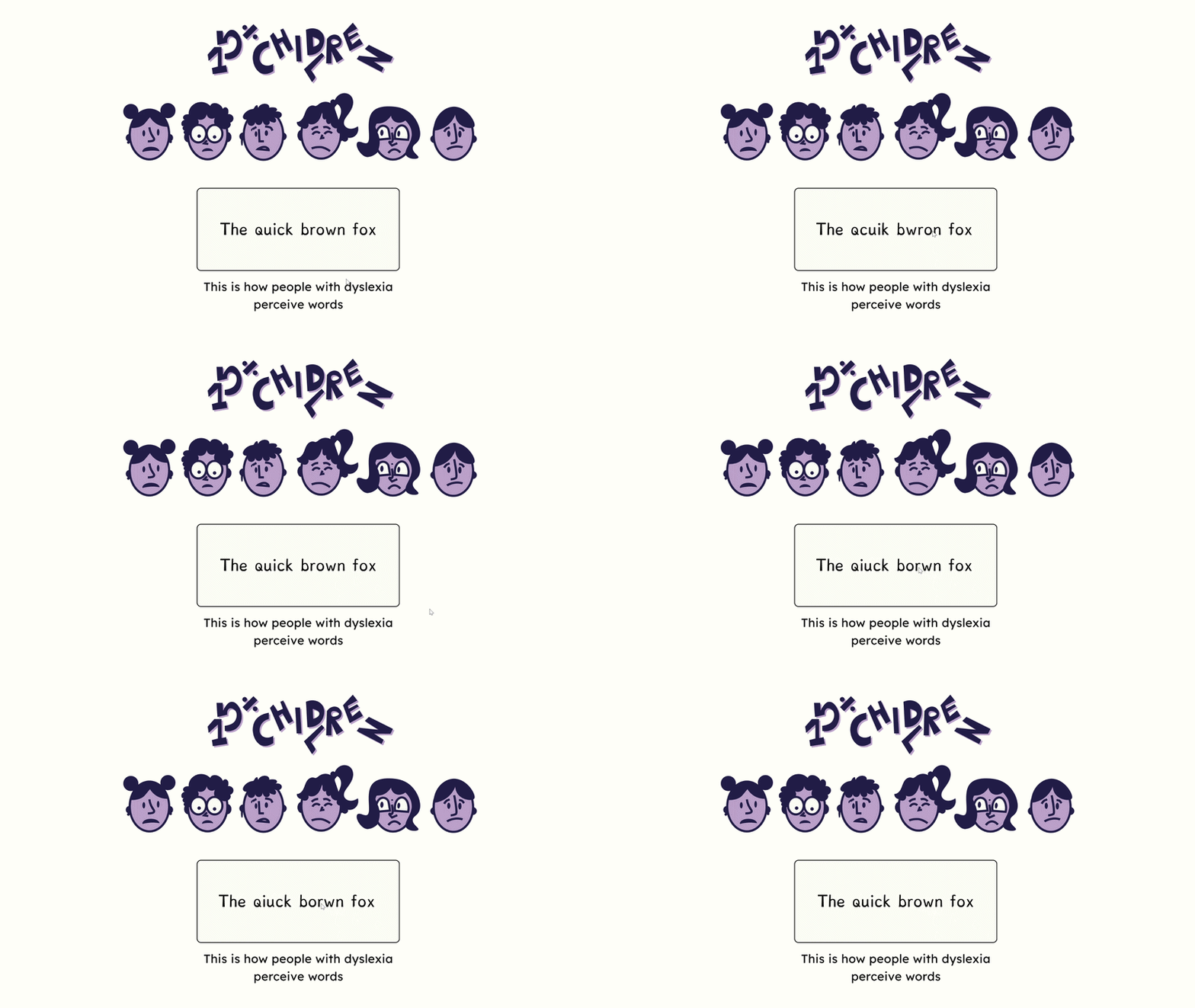
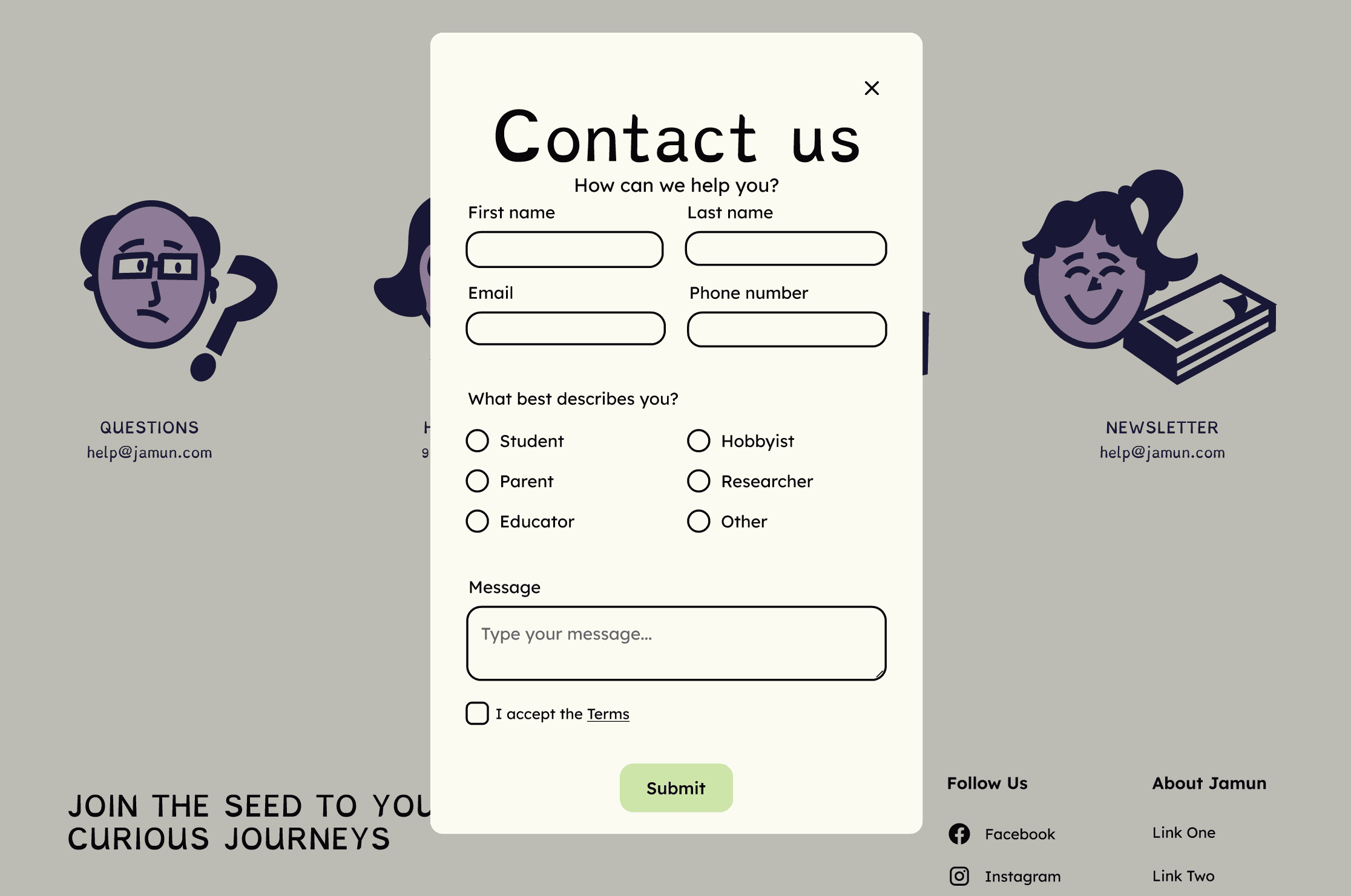
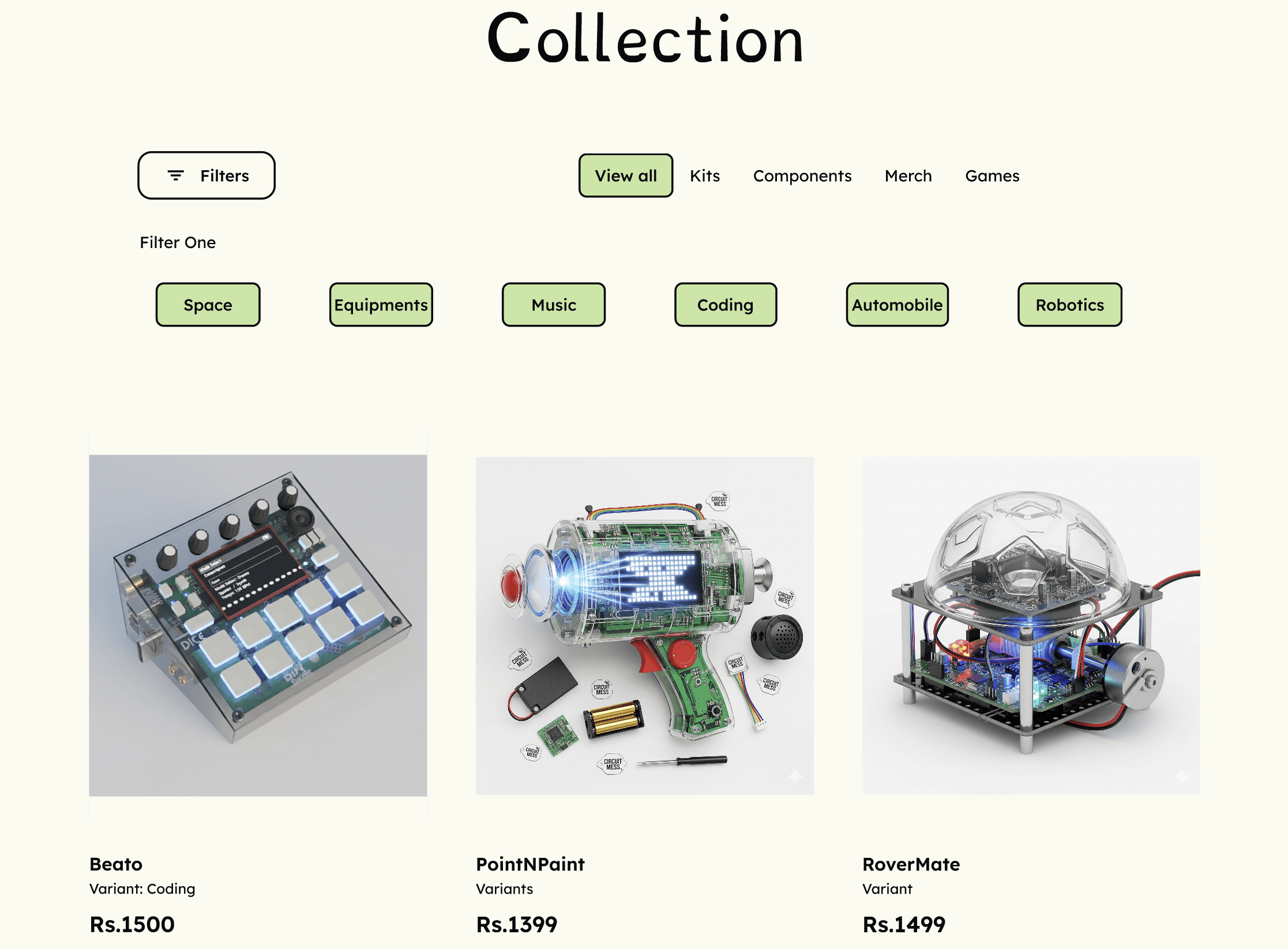
Jamun is designed for neurodivergent children, especially those with dyslexia, where they can explore and shop for buildable tech kits, play with interactive digital models, and learn through hands-on, structured guidance.

We audited traditional instructional models to identify points of high cognitive load. I mapped the interaction stages where the physical packaging functions as a tactile anchor for the AR system. The user experience prioritizes exploratory play over rigid success states, rewarding haptic assembly with real-time digital feedback loops to sustain engagement without overwhelming the learner.
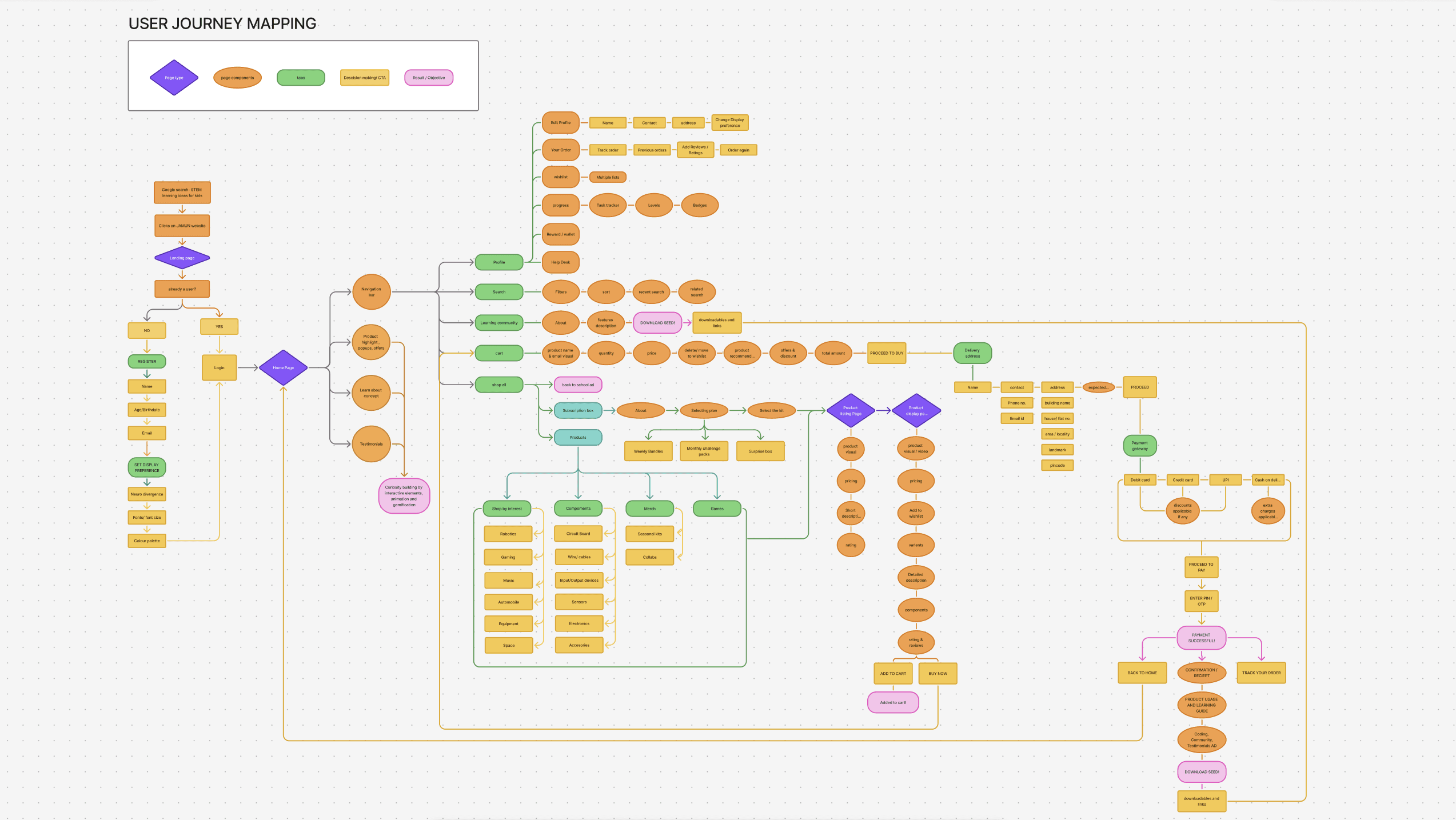
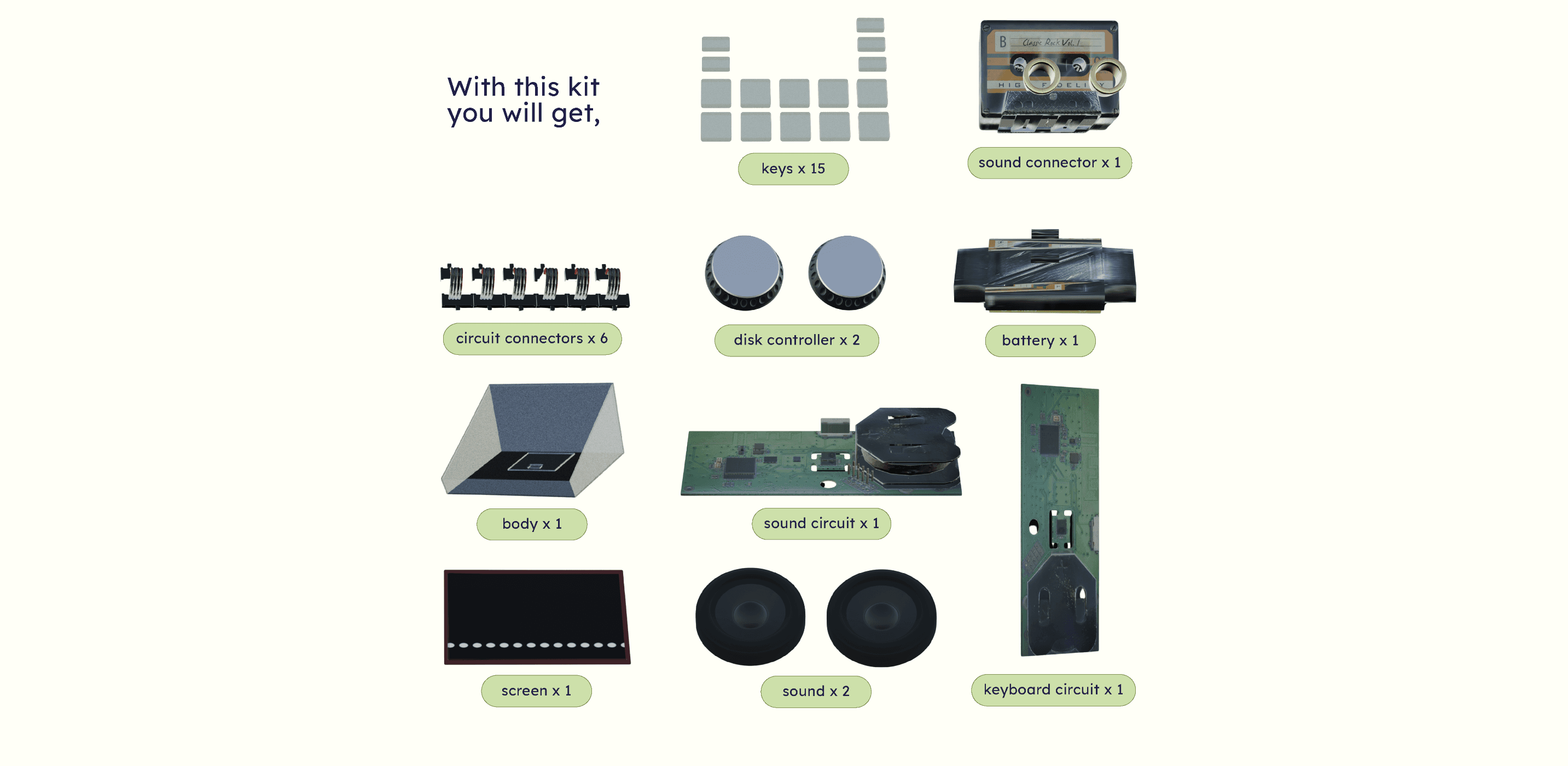
A comprehensive ecosystem consisting of modular physical hardware, a functional AR interaction layer, and a dedicated digital platform. The true impact is the intentional shift from "instruction" to "accompaniment." By creating a system that responds to the learner’s specific tactile rhythm, we reduced the cognitive anxiety often associated with traditional STEM kits. The technology is a supportive container for their curiosity rather than a rigid judge of their performance.

Outcome
Reflection

Accessibility is a functional constraint, not an afterthought. Traditional Swiss aesthetics often mistake clinical minimalism for universal clarity. Designing for the cognitive "edge" does not narrow the focus; it builds a more resilient and responsive center for all learners.

Different seeds have different journeys.